Like this podcast? Create your own with Apisod
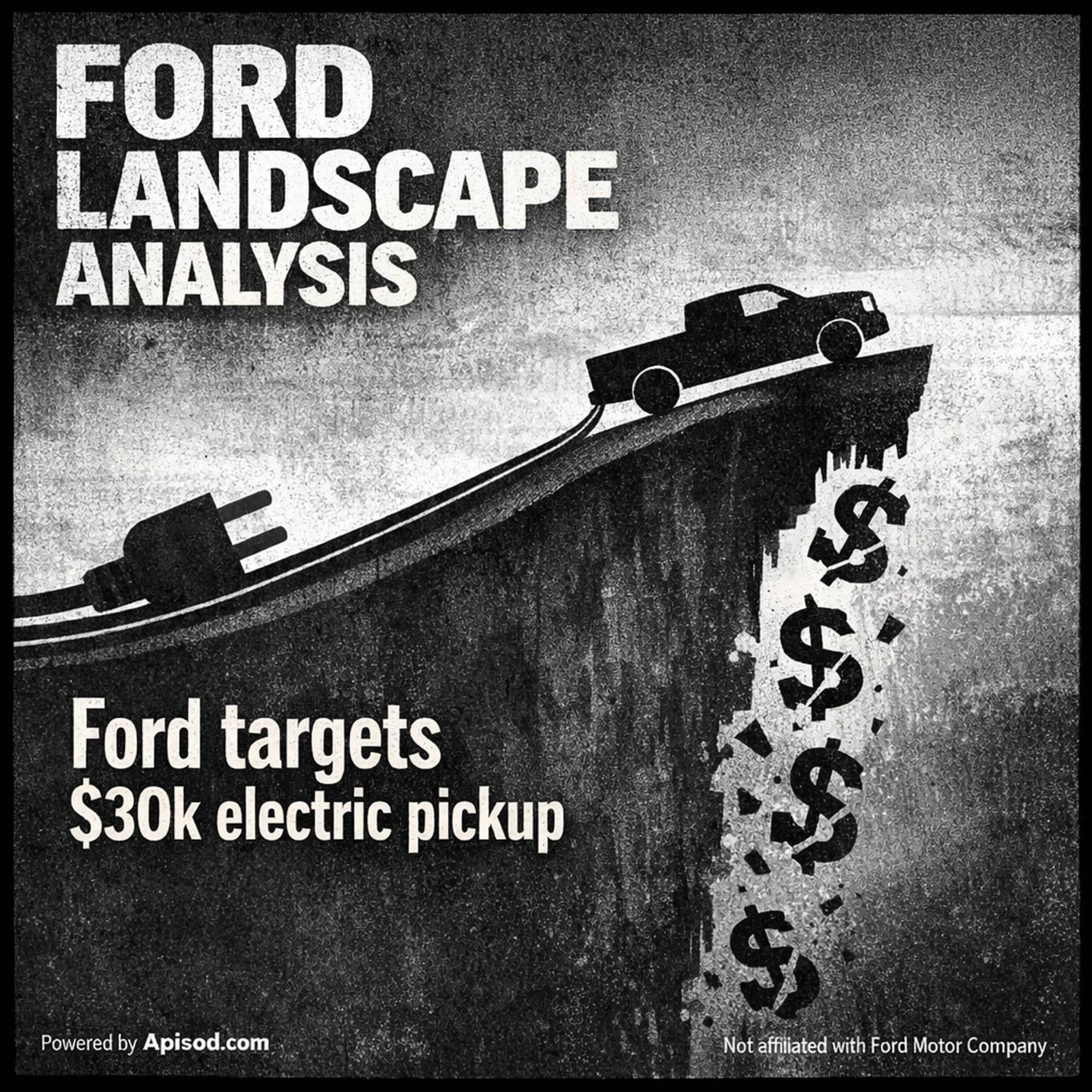
Ford targets $30k electric pickup

Show Notes
Ford just hit a major milestone in the electric vehicle race: its Marshall, Michigan plant has built its first production-intent LFP (lithium iron phosphate) battery cells, aiming to power a $30,000 electric pickup by 2027. That price could be a game-changer for EV adoption, but it hinges on keeping costs low—no easy feat with ongoing recall expenses and brewing labor tensions in Canada. LFP batteries cut out expensive nickel and cobalt, and Ford’s betting this chemistry, licensed from China’s CATL but made in America, is the key to affordable, mass-market EVs.
But here’s the catch: Ford’s LFP tech relies on Chinese know-how and the plant’s ramp-up, all while the company faces union negotiations clouded by U.S. tariffs on Canada-built vehicles. Unifor, the Canadian auto union, demands higher wages and job security just as 25% tariffs and a major trade agreement review threaten cross-border economics. Ford’s forced to choose between locking in higher labor costs or risking labor unrest right as it tries to scale up its profitable Super Duty trucks and prep for the big EV launch.
Add to that a surge in recalls—over 11 million vehicles affected so far this year—and supply chain hiccups like aluminum shortages crimping F-Series sales. With insights from Automotive News, The Globe and Mail, and Motor1, this episode unpacks the high-stakes balancing act Ford faces on cost, labor, and quality just as it tries to lead the next wave of affordable EVs.
Powered by Apisod.com