Like this podcast? Create your own with Apisod
Pakistan's Migration Playbook Debuts
Show Notes
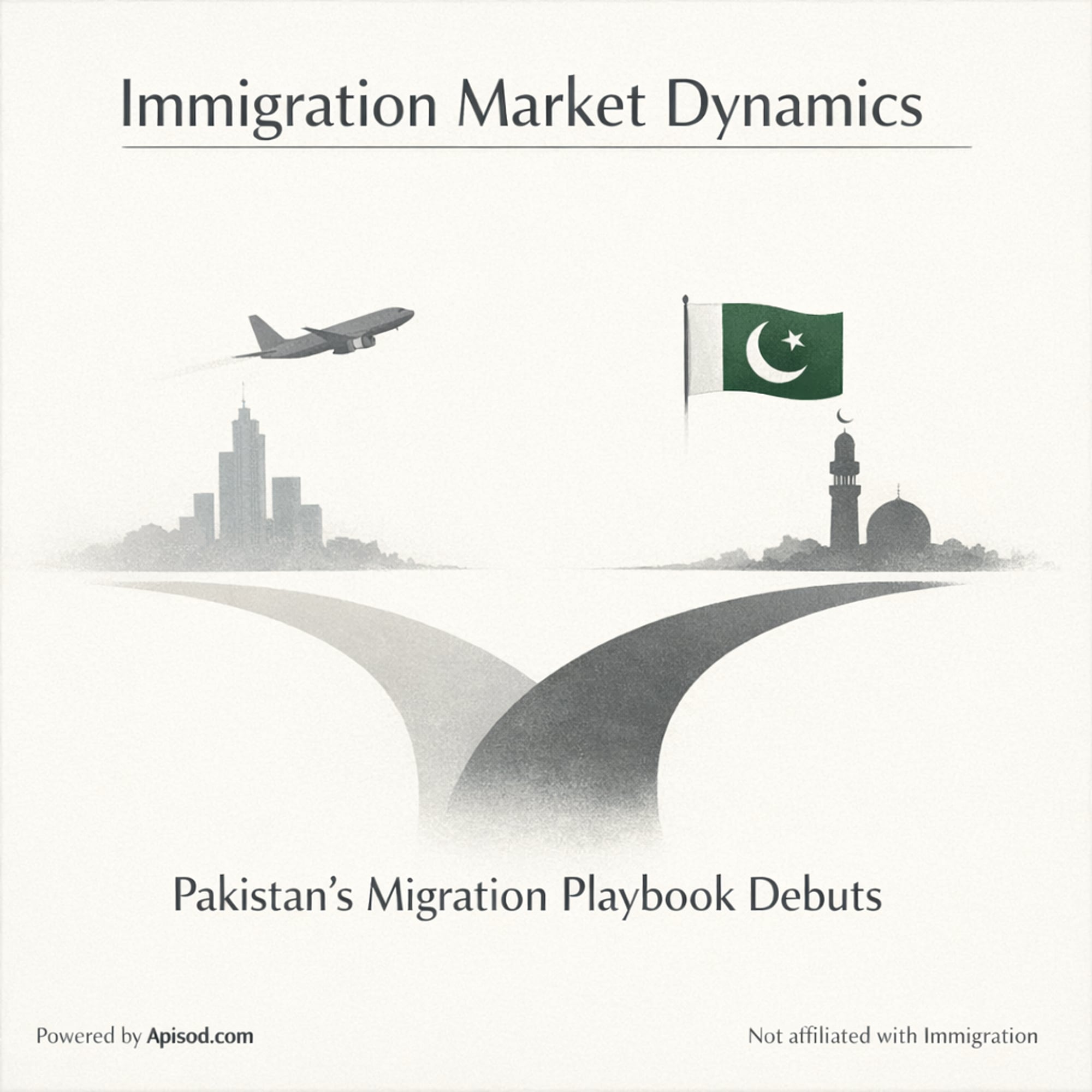
Pakistan just launched its first National Immigration Policy—a move with high stakes for the country’s twelve million overseas workers and over $41 billion in annual remittances. The plan aims for safer, more orderly migration, with a sharper focus on matching skills training to international standards and deepening diaspora ties. If the government delivers on promises like bilateral skills recognition agreements and accredited training, employers could see more predictable hiring pipelines. But if reforms stall, expect the status quo: a Gulf-focused, high-risk system and little real expansion to new markets like Latin America.
But here’s the catch: while Pakistan tries to streamline outbound migration, the U.S. just raised the bar for incoming immigrants. A new public charge rule, effective September 18, restores wide officer discretion over who’s considered at risk of becoming a public charge, making green card cases more unpredictable. There’s talk of a $100,000 bond requirement on the horizon, adding a new financial hurdle. Meanwhile, state policies are pulling apart—Minnesota and Colorado are shielding immigrants from ICE cooperation, while Tennessee is doubling down on enforcement. For employers and universities, this means compliance and risk management have become a patchwork, forcing teams to adapt site by site.
Featuring insights from the American Immigration Council and USCRI.
Powered by Apisod.com