Like this podcast? Create your own with Apisod
Mastercard Resumes Syria Card Payments
Show Notes
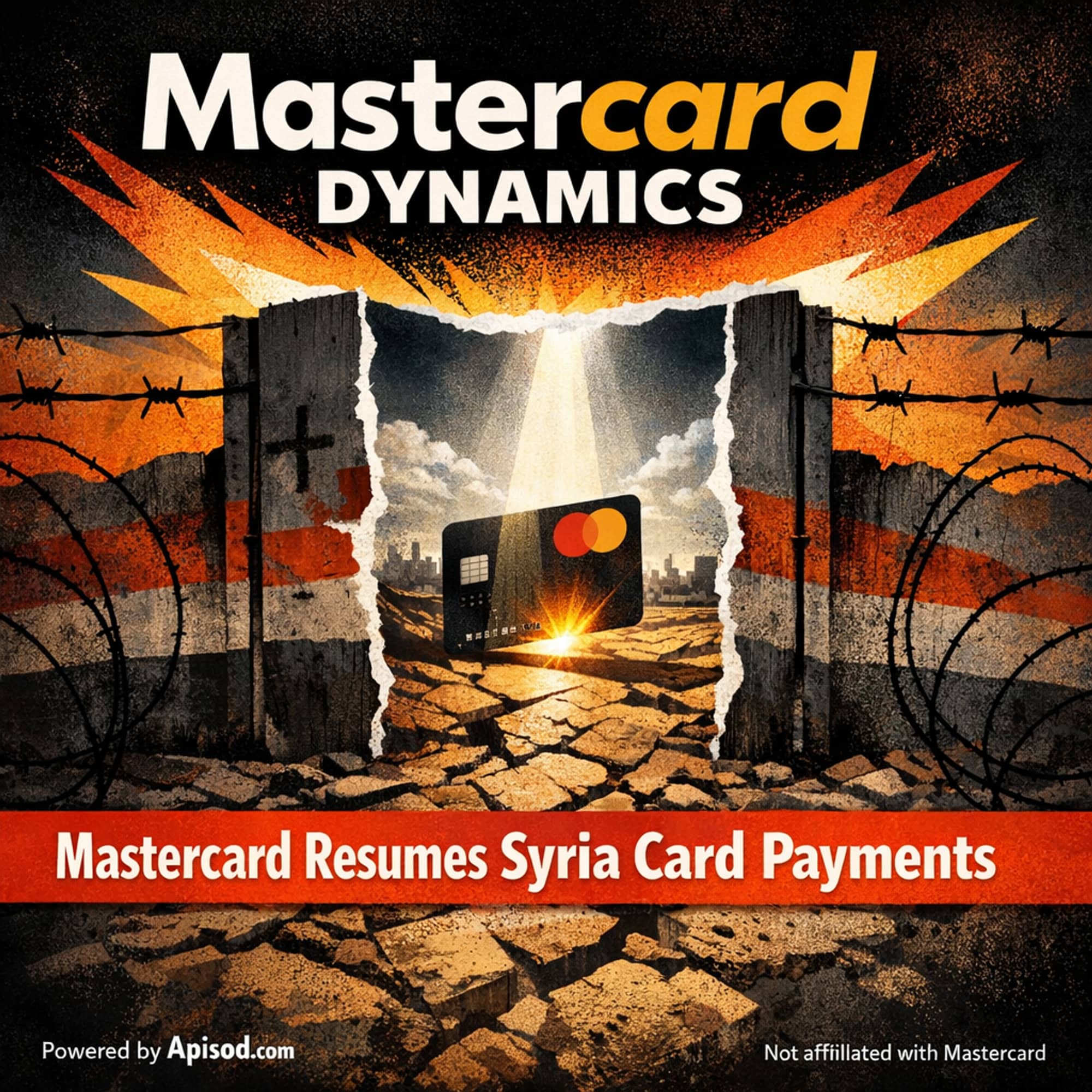
Mastercard just helped switch Syria’s global payments back on. Days after the U.S. took Syria off its terror sponsor list, Mastercard and Visa processed the country’s first international card transactions in over a decade. With help from Qatar National Bank, the doors are open—but only slightly. Regulatory risk and sanctions still loom, forcing banks and processors to shoulder compliance and anti-money-laundering burdens. If international travel and tourism return, cross-border payments could ramp up, but the real test will be whether merchants and issuers can navigate the maze of sanctions screening and technical hurdles.
But here’s the catch: while Syria is just a start, Mastercard’s biggest frontier is Nigeria. Teaming up with TeamApt and Moniepoint, Mastercard is staking out ground as the go-to network for over 40 million micro and small businesses—places where reliable payment tech is rare and cash still rules. Scale is the prize, but network hiccups and settlement problems could trigger merchant churn if things go sideways. The bigger question: can Mastercard convert these moves into lasting market share and new services, or will local challenges blunt its momentum?
And behind the scenes, a new global standards alliance is taking shape. Mastercard, Visa, and Fiserv are working with Rain and 25 others to set the rules for AI-driven payments and stablecoins. If they get it right, they could own the plumbing for trillions in new commerce by 2030—but only if regulators and rival identity frameworks don’t break the coalition first. Based on reporting from PYMNTS.com, Reuters, and insights from Mastercard CEO Michael Miebach.
Powered by Apisod.com