Like this podcast? Create your own with Apisod
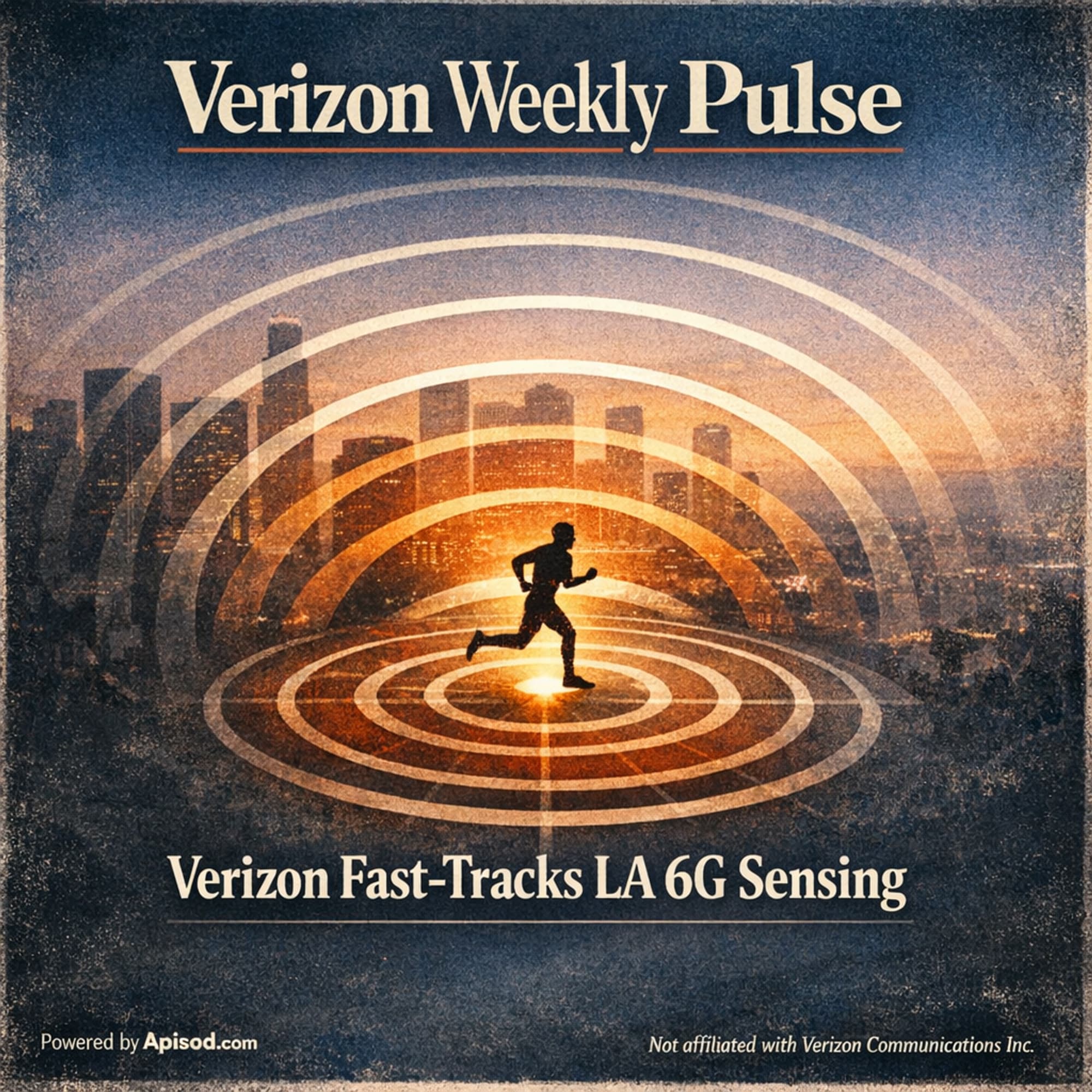
Verizon Fast-Tracks LA 6G Sensing
Show Notes
T-Mobile and Verizon are staking out radically different paths for AI-powered networks, and the choices they make now will shape who dominates wireless in the next decade. T-Mobile is betting big on putting Nvidia GPUs directly into the radio network itself, promising major gains in speed and efficiency by 2028. Verizon, meanwhile, is keeping the radios lightweight — using CPUs in the network and pushing the heavy AI work to the edge, betting this keeps costs and power in check. The high-stakes gamble: whoever cracks the AI-network balance first can win on new services, stadium experiences, and fixed wireless pricing.
But here’s the catch—Verizon’s ambitions hinge on real-world tests, not just slide decks. They’re rolling out 6G sensing pilots in Los Angeles, even applying for FCC licenses to turn cellular networks into radar-like safety tools for the 2028 Olympics. Yet, none of this spectrum is commercial, and timelines are tight. If their CPU-based approach falls short of T-Mobile’s GPU-in-radio gains, Verizon may risk losing ground in fixed wireless and crowded venues. At the same time, legal skirmishes and old copper retirements are creating headaches on the ground, threatening to slow down their 5G and future 6G rollouts.
Featuring insights from Fierce Network, VZ, Nokia, Nvidia, and real-world trials with Samsung, Qualcomm, and Meta.
Powered by Apisod.com